
MUSHROOM EDIBLES
Why Mushroom Edibles Are Popular in Los Angeles: Wellness, Culture & Safety
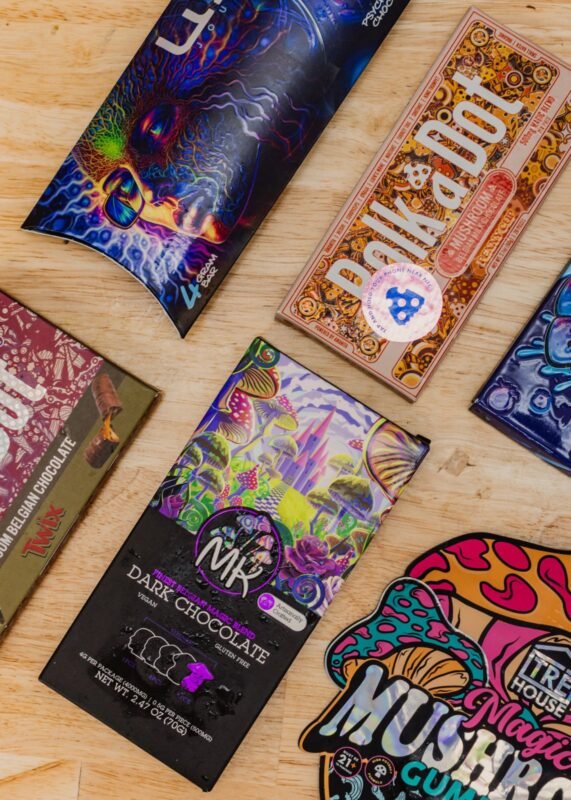
Dec
Los Angeles has long been a trendsetter in wellness, holistic health, and alternative medicine. In recent years, conversations around why mushroom edibles are popular in Los Angeles have grown rapidly, driven by wellness innovation, cultural openness, and a strong focus on education and safety.
This article explores the reasons behind their popularity through an informational and harm-reduction lens, without encouraging illegal activity.
The Rise of Mushroom Edibles in LA Wellness Culture
Los Angeles wellness culture prioritizes balance, mindfulness, and plant-based approaches to health. Mushroom edibles have gained attention because they align naturally with:
- Holistic and functional wellness practices
- Interest in natural, plant-based supplements
- Mindfulness and intentional living trends
- Alternative approaches to mental and emotional well-being
These factors have helped integrate mushroom edibles into broader wellness conversations.
Wellness Benefits Driving Interest
Educational discussions around mushroom edibles often highlight potential wellness-related benefits, depending on the type of mushroom involved.
Common topics include:
- Cognitive support and mental clarity (functional mushrooms)
- Emotional awareness and mindfulness
- Stress management and balance
- Support for intentional wellness routines
Responsible education emphasizes that experiences vary and that awareness is essential.
Cultural Influence in Los Angeles of Why Mushroom Edibles Are Popular
Los Angeles plays a major role in shaping national wellness and lifestyle trends. Cultural factors contributing to popularity include:
- A strong health-conscious and wellness-driven population
- Openness to alternative healing and plant medicine education
- Influence from creative, artistic, and mindfulness communities
- Community-led conversations around responsible awareness
These cultural influences help normalize education-first discussions around mushroom edibles.
Safety and Responsible Awareness
Safety is a central reason mushroom edibles are discussed responsibly in Los Angeles. Harm reduction focuses on minimizing risk through education rather than promotion.
Key Safety Topics Commonly Discussed:
- Understanding ingredient transparency and labeling
- Personal tolerance and sensitivity awareness
- Mental health considerations and contraindications
- Avoiding substance mixing
- Proper storage and responsible awareness
Los Angeles wellness communities often emphasize safety before curiosity.
Trends Supporting Continued Popularity
Several trends continue to drive interest in mushroom edibles across Los Angeles:
- Increased focus on functional mushrooms and mental wellness
- Expansion of psychedelic education and harm reduction initiatives
- Integration of mindfulness into everyday wellness routines
- Ethical conversations around transparency and sourcing
- Growing demand for informed, responsible wellness education
These trends reflect a shift toward knowledge-based engagement rather than misuse.
Legal Awareness in Los Angeles
Psilocybin-containing mushroom products remain illegal under U.S. federal law. While public discussion continues to expand, understanding legal boundaries is essential.
This content is for educational purposes only and does not promote or encourage illegal activity.
Legal awareness supports informed and responsible wellness conversations.
Why Education Matters
Interest in why mushroom edibles are popular in Los Angeles often reflects curiosity and a desire for safer, more informed wellness options. Education helps:
- Reduce misinformation and potential harm
- Encourage ethical and responsible discussions
- Promote transparency and wellness awareness
- Support healthier community dialogue
Education-first approaches strengthen trust and safety within wellness communities.
Final Thoughts of Why Mushroom Edibles Are Popular
Los Angeles continues to lead in wellness innovation and plant medicine education. By focusing on wellness benefits, cultural influence, and safety awareness, mushroom edibles have become part of a broader movement toward informed, ethical, and responsible wellness practices.
