
MICRODOSE CAPSULE
How Microdose Capsules Are Changing Wellness in Los Angeles: Education & Safety
Dec
Los Angeles has long been at the forefront of wellness innovation, mental health awareness, and alternative healing practices. In recent years, conversations around how microdose capsules are changing wellness in Los Angeles have become increasingly common, driven by education, safety awareness, and a growing interest in holistic mental health approaches.
This article focuses on education, harm reduction, and wellness awareness, offering responsible information without encouraging illegal activity.
What Are Microdose Capsules?
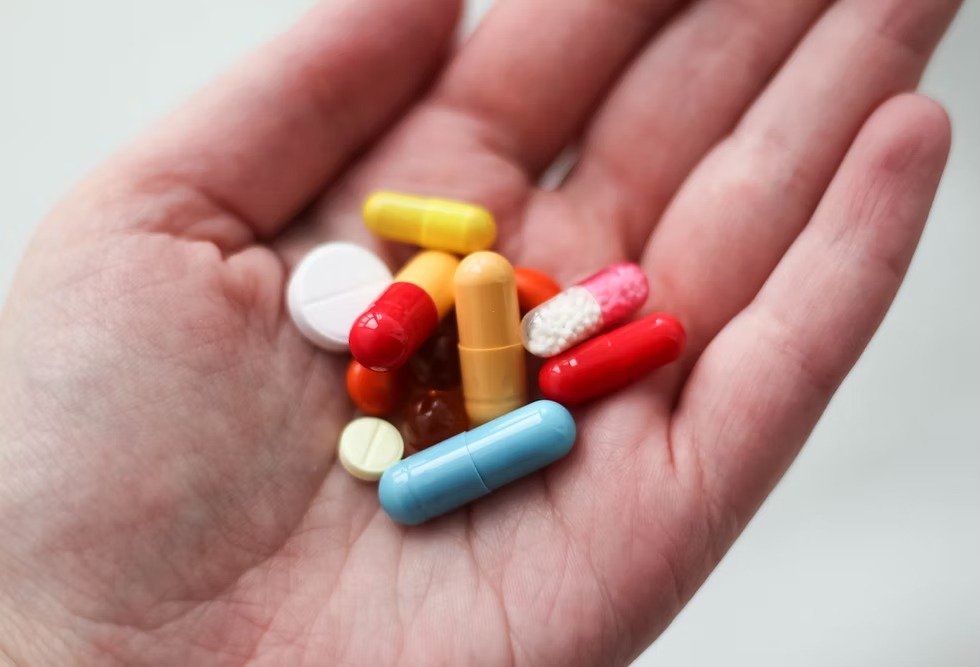
Microdose capsules typically contain very small, measured amounts of psychedelic compounds—most commonly psilocybin—designed to produce subtle, non-intoxicating effects. The goal discussed in educational contexts is not a psychedelic experience, but gentle support for mental clarity, emotional balance, and mindfulness.
In Los Angeles, microdosing is often discussed as part of broader wellness and self-care conversations rather than recreational use.
The Wellness Shift in Los Angeles
Los Angeles wellness culture emphasizes balance, self-improvement, and mental resilience. Microdose capsules have gained attention as part of this shift due to:
- Growing interest in mental wellness and emotional health
- Increased focus on mindfulness and intentional living
- Integration of plant medicine education into wellness spaces
- Public dialogue around alternative mental health approaches
These discussions reflect a move toward education-first wellness practices.
Education as the Foundation of How Microdose Capsules Are Changing
Education plays a central role in how microdose capsules are discussed in Los Angeles. Responsible conversations focus on:
- Understanding what microdosing is—and what it is not
- Differentiating microdosing from full psychedelic experiences
- Reviewing current research and limitations
- Emphasizing personal awareness and mental readiness
Education helps reduce misinformation and supports safer, more ethical wellness discussions.
Safety and Harm Reduction Awareness
Safety is essential in any wellness-related discussion involving psychedelics. Harm reduction prioritizes minimizing risks through knowledge, preparation, and self-awareness.
Common Safety Topics in Microdosing Education:
- Mental health considerations and contraindications
- Avoiding substance mixing
- Keeping wellness routines consistent and reflective
- Monitoring emotional and cognitive changes
- Accessing integration and support resources
Los Angeles wellness communities often emphasize safety before curiosity.
Wellness Trends Driving Interest
Microdose capsules are part of larger wellness trends shaping Los Angeles culture:
- Increased focus on mental health optimization
- Growth of psychedelic education and research discussions
- Integration coaching and wellness journaling practices
- Community-led harm reduction initiatives
- Ethical and transparent wellness education
These trends prioritize responsible awareness over hype or misuse.
Legal Awareness in Los Angeles
Psilocybin and other psychedelic substances remain illegal under U.S. federal law. While public conversations are expanding, understanding legal boundaries is essential.
This content is for educational purposes only and does not promote or encourage illegal activity.
Legal awareness supports responsible and informed wellness discussions.
Why Responsible Wellness Matters
Interest in how microdose capsules are changing wellness in Los Angeles often reflects a desire for balance, clarity, and improved mental well-being. Responsible education helps:
- Reduce misinformation and potential harm
- Encourage ethical and informed wellness practices
- Promote mental health awareness
- Strengthen community-based support
Wellness grounded in education leads to safer, more sustainable outcomes.
Final Thoughts of How Microdose Capsules Are Changing
Los Angeles continues to shape national wellness trends through innovation, education, and mindful living. By focusing on education and safety, microdose capsule discussions are becoming part of a broader movement toward informed, responsible mental wellness.
